Featured
Table of Contents
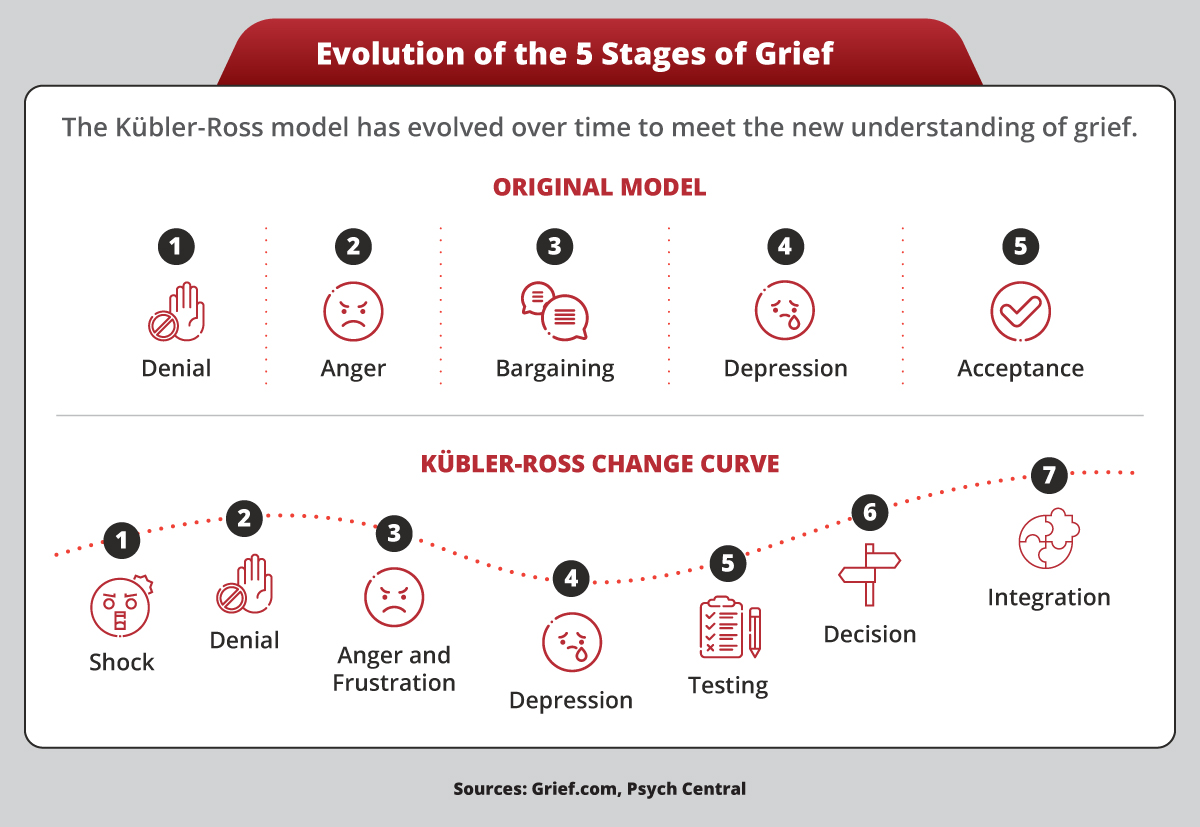
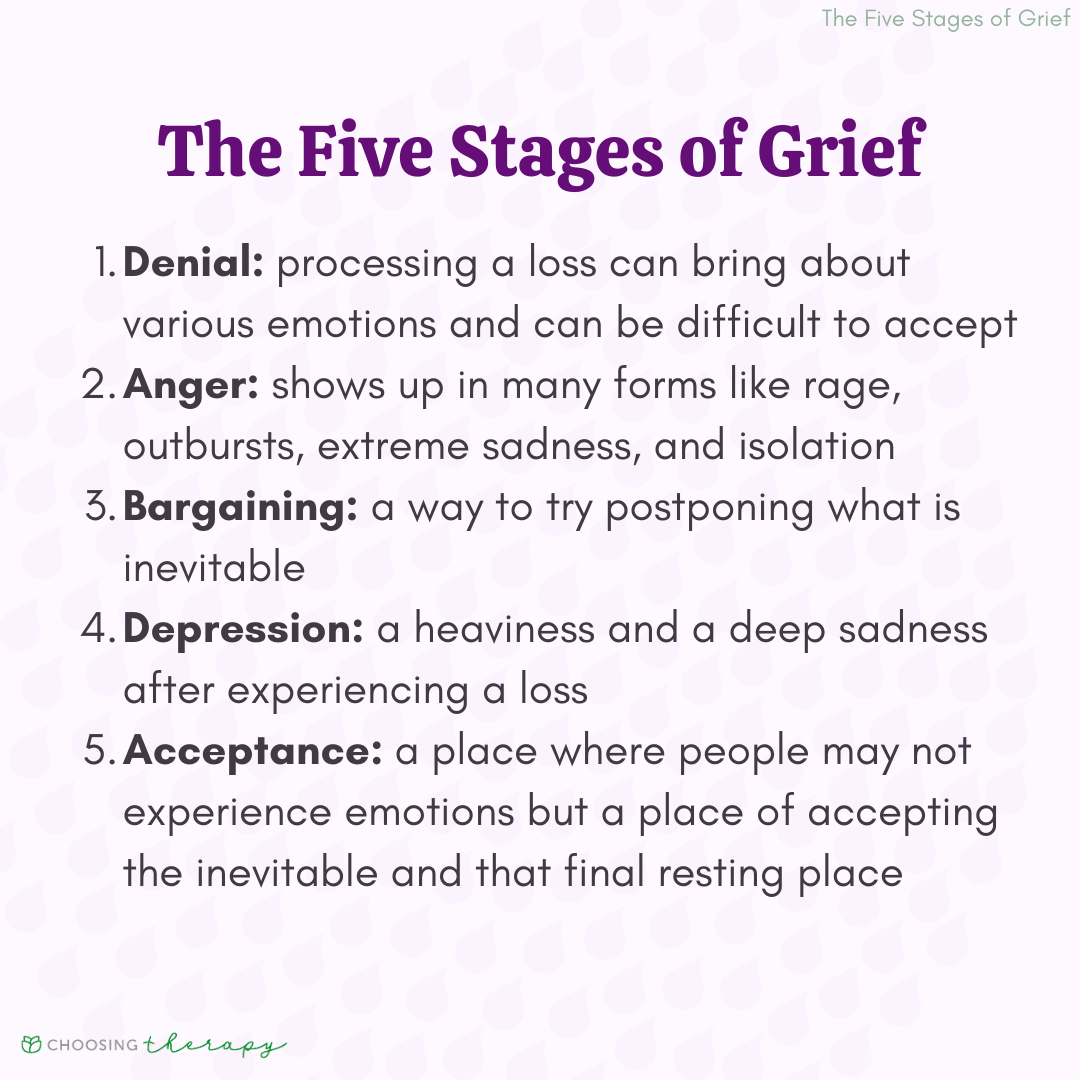
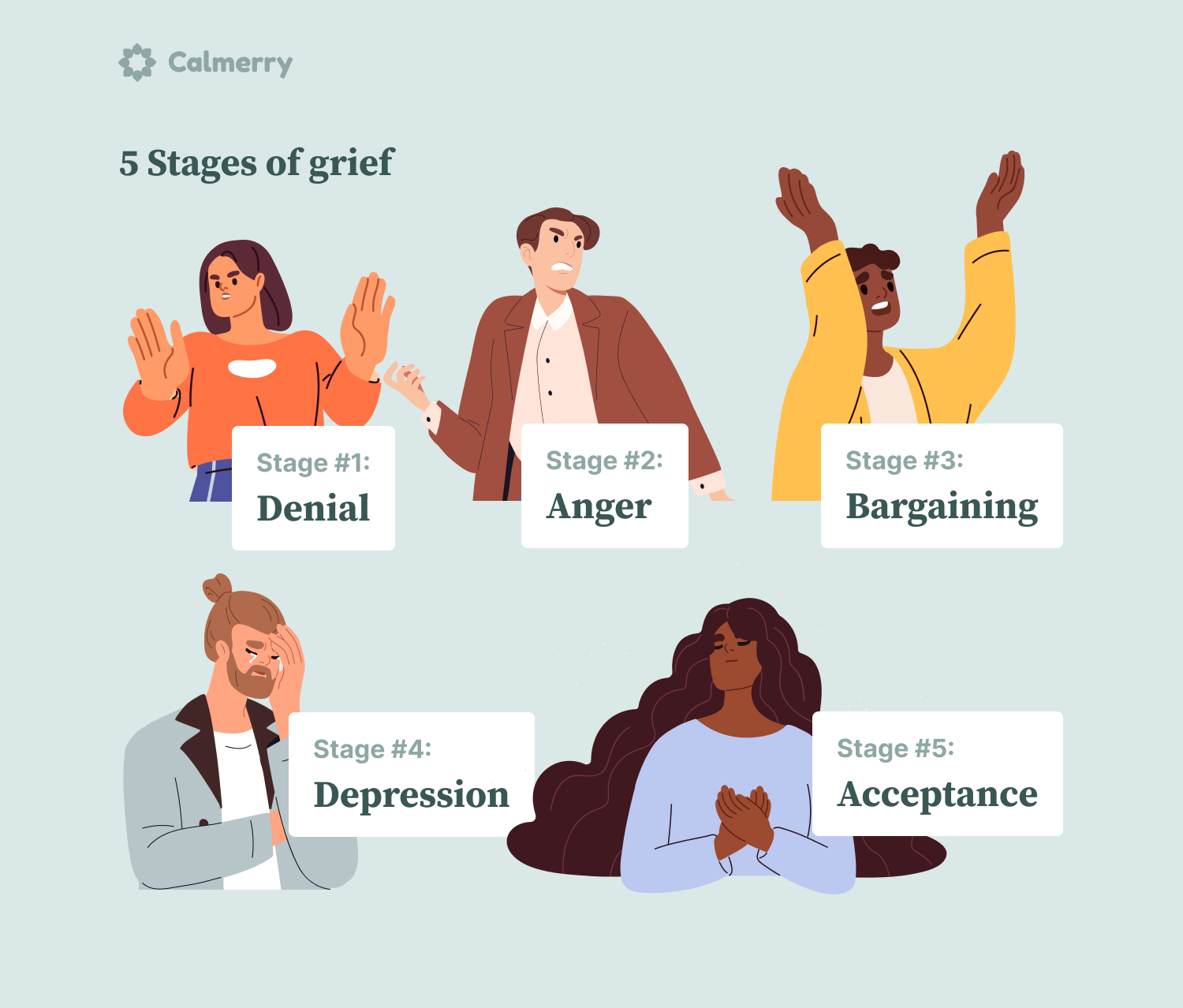
Despair is a difficult procedure that varies from one person to another. The five phases of grief rejection, anger, negotiating, clinical depression, and acceptance are a practical structure for thinking of grief, however it does not indicate we'll experience every stage. Likewise, we can experience these facets of grief at various times, and they don't occur in one specific order.
This site utilizes cookies to aid personalise content, customize your experience and to maintain you visited if you register. By remaining to utilize this site, you are granting our usage of cookies.
This intermittent structure is suggested to aid you better understand your feelings and is not planned to suggest exactly how you need to grieve, what you should be sensation, or in which order. Each stage might come and go or overlap the others.
If you want to find out more concerning your private mourning procedure, it's a good idea to reach out to a trusted psychological health and wellness professional to understand yourself far better and establish suitable coping strategies. Find out more regarding the seven stages of sorrow. Sorrow can be a difficult and messy process. When a loss occurs, among the very first things you may experience is shock.
How IFS Enhances Leadership Abilities for Healthcare Providers in Your Area
That's since no person can ever before be absolutely prepared for a loss so considerable. When you are in shock after a loss, you may act normally or as if nothing has actually taken place. Most of the time, this is since your body has actually not refined the loss. You may feel like the scenario hasn't "sunk in" just.
These sensations and experiences are self-protective devices that function as a buffer so that you are not overwhelmed at one time. Because the fatality of an enjoyed one can have such a significant effect on you, you might experience denial. Throughout this stage of sorrow, it is simply too tough for your brain to understand that your household member, close friend, or other liked one is gone.
As you slowly begin to accept the loss and what it indicates for your life currently, your rejection will begin to decrease. You might have a wider series of feelings and feelings when rejection diminishes. Up until then, you may have durations when you really feel troubled, which can be set off by pointers of your enjoyed one.
Sometimes, it's a normal sensation to desire to avoid others to make sure that you do not need to recognize or discuss your loss. In some cases, you really feel forgetful, obtain conveniently sidetracked, or postpone throughout this stage of grief. You might additionally attempt to remain busy at all times or closed down psychologically.
Disconnection in Successful Healthcare Workers
In certain situations, you could also feel upset with the healthcare carriers, your good friends, relative, God, or any type of various other soul(s) you rely on. Under all that temper is your pain. While it may be unpleasant to manage, it offers more structure to your mourning than remaining numb.
During this phase, people typically really feel powerless and hopeless and ask themselves "what if" concerns. You may really feel guilty for refraining more to maintain the loss from taking place or for not investing more time with the person you lost. During the bargaining phase, it prevails to question or say, "I must have done this ..." or "If I had actually just done that ..." While these kinds of questions are regular, they are not where you want your mind to remain.
The Relationship Between Early Wounds and Success-Seeking
It may additionally be valuable to do something details, like write a letter to your liked one or talk to them out loud. When you come to terms with the reality of the loss, a much deeper degree of unhappiness may start to slip in.
You can likewise go to for a checklist of added resources or call the number listed below to get to Chemical abuse and Mental Wellness Services Management (SAMHSA) hotline. The screening stage of the grieving process often involves trying different points that help you move on. In this phase, you are starting to build your new normal as well as refining your sensations and emotions produced by the loss.
Reaching the acceptance phase does not indicate you are OK with what occurred. Rather, this component of the mourning process is extra about approving what your life looks like now. You will still require to pay attention to your sensations and change, however you will certainly begin to feel even more wholeeven if it looks various than it did previously.

Latest Posts
Clinical Safety in Psilocybin Work
When EMDR Treatment Heals Complicated Grief
Professional Accommodations and Advocacy