Featured
Table of Contents
resembles beginning on top of your mind, in the components liable for thinking and reasoning (the neocortex). Standard talk therapy typically functions in this manner. It concentrates on your thoughts, beliefs, and understanding of events. The idea is that by altering your thoughts, you can alter your feelings and activities.
These treatments are considered 'bottom-up' because they concentrate on body-oriented strategies. They collaborate with the physical imprints of trauma, aiding to gain access to and process hard product that words alone may not get to. This brings about a much more complete and profound healing journey. Discovering a that comprehends this difference can make all the distinction in your recuperation.
lies in something called the Adaptive Data processing (AIP) design. This simply means that when injury obtains appropriately processed, it sheds its psychological sting and becomes integrated into your memory in a much healthier way. As opposed to feeling like the terrible event is taking place now, it comes to be something that clearly occurred in the past.
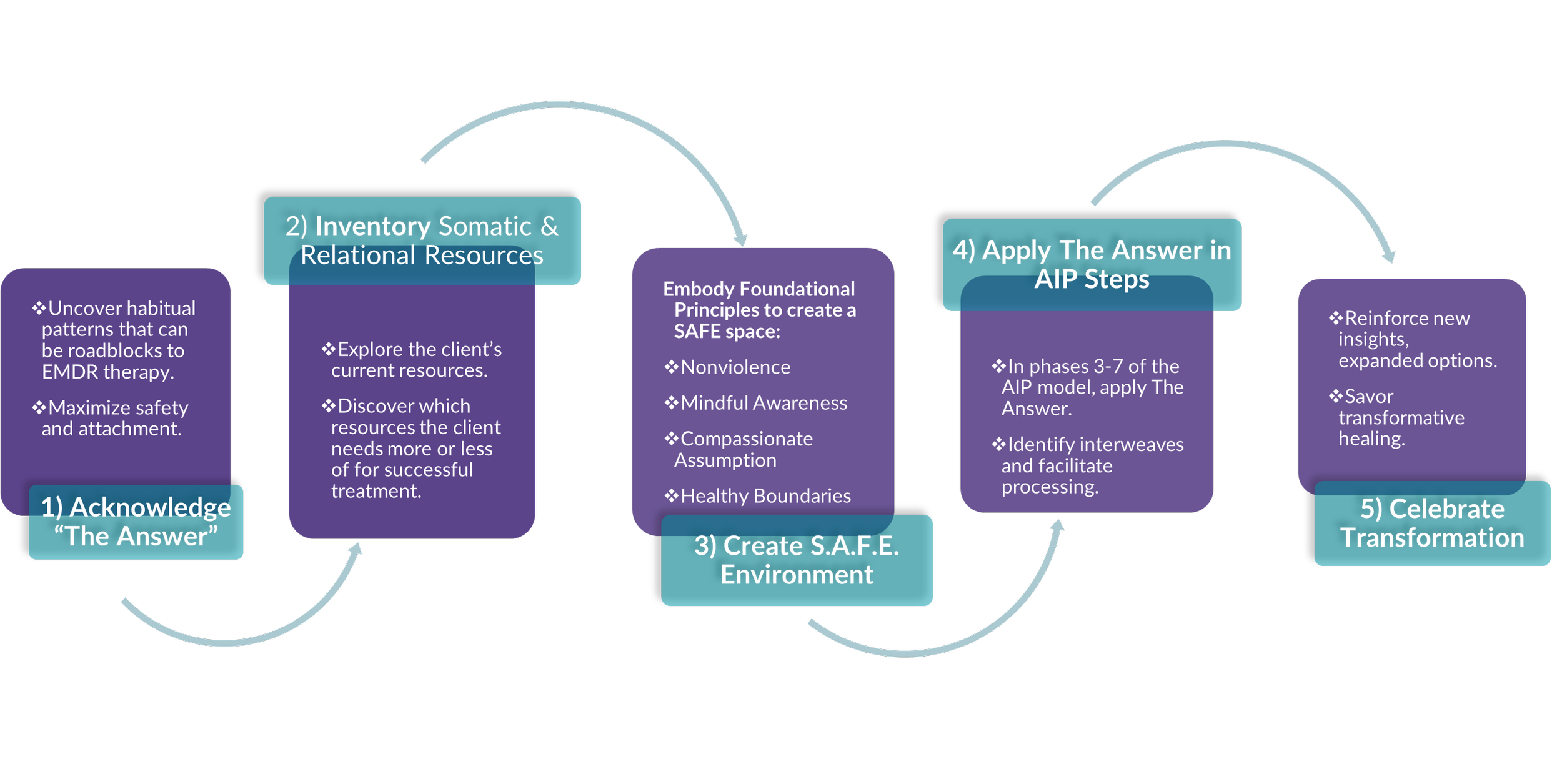
This balanced, left-right stimulation shows up to trigger your brain's natural recovery devices, enabling stuck memories to move via your system much more smoothly. What's specifically soothing concerning EMDR is that over and over once again. You will not need to share every painful detail or spend sessions sinking in difficult emotions. Rather, EMDR helps diminish the frustrating power these memories hold over you, so you can at some point think of or review them without feeling flooded with distress.
Body-Based Processing in EMDR Intensives
They commonly report that after EMDR treatment, things that as soon as set off intense responses merely don't bother them the very same way any longer., with researches demonstrating considerable decreases in trauma symptoms following treatment.
For clients looking for thorough trauma treatment, collaborating with an can be specifically powerful. This incorporated method addresses both the psychological and physical aspects of trauma, creating a much more total path to healing. EMDR follows a structured eight-phase protocol that ensures your safety and development throughout the recovery process. If you wonder regarding what each phase entails, you can discover this in information below: The 8 Phases Of EMDR Treatment: Recognizing Each Action In Your Path To Healing.
Our bodies are absolutely unbelievable, frequently interacting with us. The word 'Soma' comes from old Greek, implying 'the living body known from within,' highlighting a feeling of wholeness.
This entails carefully relocating your attention back and forth between uncomfortable experiences and locations of calm or comfort in your body. This technique assists develop your capability to take care of tough feelings and instructs your nervous system how to manage itself.
Removing Daily Distractions During EMDR Intensives
This releases the "frozen trauma energy" and recovers a sense of safety and security and equilibrium within you. The Polyvagal Concept, established by Dr. Stephen Porges, provides a scientific check out just how somatic treatment assists balance your nerve system. By gently dealing with your body's all-natural wisdom, somatic therapy assists you process emotions that have actually been trapped, full stress actions that obtained stuck, and revive a feeling of security and connection with on your own and the globe around you.
Healing, after that, should involve both. This indicates they work with the raw, physical feelings and emotional feedbacks saved in the body initially, rather than simply talking regarding ideas.
A central objective for both therapies is. They give gentle devices and guidance to assist your body move out of the "excessive" (fight/flight) or "as well little" (freeze) states. The objective is to assist you expand your 'Window of Tolerance,' so you can really feel much more grounded and present in your life.

Latest Posts
Follow-Up Sessions
How Multi-Modal Therapy Produce Results
When Benefit From Psychoanalytic Approaches at 504 & IEP Assessment Support