Featured
Table of Contents
- – Recognizing Anxiousness Through a Neurodiverge...
- – The Important Significance of Appropriate ADHD...
- – Injury Therapy That Honors Neurodivergent Expe...
- – Somatic Therapy: Healing Via the Body's Wisdom
- – Addressing Fatigue in Neurodivergent Communities
- – What Neurodivergence-Affirming Care Actually M...
- – Locating the Right Restorative Fit
- – The Path Towards Authentic Healing
The junction of anxiety, injury, and neurodivergence develops an unique therapeutic landscape that demands specialized understanding. For individuals who have actually spent years feeling misinterpreted by typical psychological wellness strategies-- particularly those navigating ADHD, autism, or various other neurodivergent experiences-- discovering absolutely affirming care can really feel like looking for haven. Straighten and Equip Treatment stands for an expanding movement towards healing solutions that honor neurological diversity while addressing the actual battles of anxiousness, injury, and fatigue.
Intensive: Executive Functioning FocusRecognizing Anxiousness Through a Neurodivergent Lens
Anxiousness does not reveal evenly throughout all brains. For neurodivergent people, what appears as generalised anxiousness frequently comes from nerves dysregulation, sensory overwhelm, or the advancing result of masking genuine neurological patterns to fit neurotypical expectations. This distinction matters greatly when choosing therapeutic methods.
Traditional stress and anxiety treatment regularly highlights cognitive restructuring-- difficult and altering assumed patterns. While valuable for some, this technique can drop level for neurodivergent clients whose anxiety emerges not from altered thinking yet from real environmental conflict or the fatigue of browsing a world created for various neurological circuitry. Neurodivergence-affirming anxiousness treatment acknowledges these facts as opposed to pathologizing natural reactions to hostile or incompatible settings.
Practices concentrating on neurodivergent-affirming treatment acknowledge that anxiety therapy should represent executive function distinctions, sensory handling variants, and the effect of lifetime experiences of being misconstrued or disregarded. This suggests adapting restorative pacing, interaction designs, and intervention techniques to match specific neurological accounts instead than anticipating customers to comply with standardized methods.
The Important Significance of Appropriate ADHD Evaluating and Evaluation
ADHD continues to be one of the most misinterpreted and underdiagnosed problems, particularly in women, individuals of shade, and people who developed innovative masking methods during childhood. Numerous adults seek therapy for anxiousness or anxiety without identifying that unattended ADHD underlies their battles. Comprehensive ADHD screening offers quality that changes therapy strategies and self-understanding.
Quality ADHD evaluation prolongs far past the stereotypical hyperactive youngster model. Comprehensive assessment analyzes executive feature across multiple domains-- working memory, psychological law, task initiation, time perception, and continual attention. It thinks about exactly how ADHD shows up in a different way throughout sexes, ages, and co-occurring problems, acknowledging that inattentive-type ADHD frequently gets away detection until adulthood when increasing needs overwhelm coping mechanisms.
The worth of correct ADHD testing exists not in labeling yet in recognition and direction. Customers report extensive relief when years of perceived individual failing reframe as neurological difference needing lodging as opposed to ethical correction. Checking opens up doors to drug assessment, office lodgings, relationship modifications, and therapeutic treatments particularly made for ADHD brains rather than generic approaches that unintentionally enhance embarassment and aggravation.
Straighten and Empower Treatment's emphasis on extensive analysis mirrors understanding that precise medical diagnosis essentially alters therapy pathways. Anxiety therapy for somebody with undiagnosed ADHD that carries out organizational systems created for neurotypical brains will fail repetitively, deepening despondence. On the other hand, anxiousness interventions that make up ADHD-specific challenges-- such as time loss of sight, being rejected level of sensitivity, or sensory overwhelm-- produce lasting adjustment.

Injury Therapy That Honors Neurodivergent Experiences
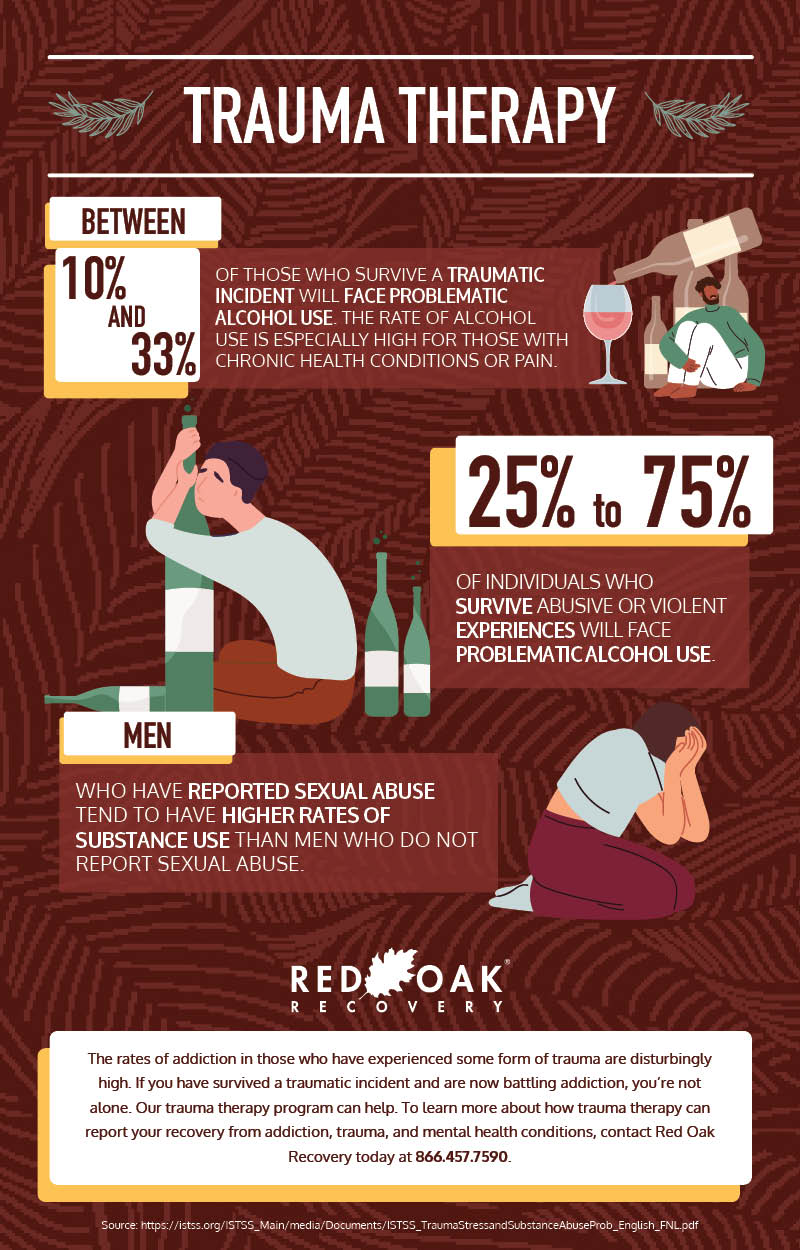
Neurodivergent individuals experience disproportionately high rates of trauma, typically starting in childhood when distinction meets misconception, penalty, or outright misuse. The injury of forced compliance, duplicated failures in systems created for different minds, intimidation, social exclusion, and invalidation by caretakers or experts develops complicated wounding that requires specialized therapeutic interest.
Injury treatment for neurodivergent clients have to browse additional intricacy. Requirement injury processing methods might require modification for people with exec function difficulties, sensory sensitivities, or communication differences. The inflexible structure of some evidence-based trauma methods can really feel constraining or setting off to neurodivergent nervous systems, demanding versatility and creative thinking from therapists.
Neurodivergence-affirming injury therapy acknowledges that some "" symptoms"" traditional strategies target for removal actually represent flexible coping mechanisms for neurodivergent individuals browsing neurotypical-dominated environments. The goal changes from normalization to empowerment-- aiding clients process real trauma while verifying neurological credibility and structure atmospheres where covering up comes to be unneeded for survival.
Somatic Therapy: Healing Via the Body's Wisdom
Somatic treatment provides especially powerful tools for stress and anxiety and injury therapy, specifically for neurodivergent people who may experience disconnection in between cognitive recognition and physical experience. This body-centered method identifies that trauma and stress and anxiety lodge in the nerves, not just in ideas or memories, requiring treatments that involve the body straight.
For customers with alexithymia-- difficulty determining and describing feelings, common in autism and ADHD-- somatic strategies provide alternative pathways to recovery that do not rely greatly on spoken psychological processing. Strategies like body scanning, breathwork, motion, and sensory understanding create opportunities for nerve system policy without demanding abilities that may really feel inaccessible.
Somatic experiencing, polyvagal-informed treatment, and sensorimotor psychiatric therapy help clients comprehend their worried system reactions-- fight, trip, freeze, or fawn-- as intelligent survival devices as opposed to individual weak points. This reframe confirms especially valuable for neurodivergent customers that've internalized shame about sensory sensitivities, meltdowns, closures, or other nerve system actions that neurotypical-centered therapy may pathologize.
The combination of somatic techniques enables customers to establish interoceptive understanding-- the ability to feeling interior bodily states-- which supports emotional guideline, boundary-setting, and authentic decision-making. For people whose neurodivergence consists of sensory handling distinctions, guided somatic work gives tools for comparing environmental overwhelm, anxiousness, injury activation, and other inner states that might otherwise obscure with each other confusingly.
Addressing Fatigue in Neurodivergent Communities
Autistic exhaustion and ADHD fatigue represent distinct phenomena from general work-related fatigue, identified by loss of functioning, raised sensory level of sensitivity, difficulty with formerly workable jobs, and deep exhaustion that remainder alone does not solve. These states emerge from prolonged masking, sensory overload, executive function demands surpassing capacity, and the collective toll of browsing neurotypical expectations without adequate assistance.
Burnout recuperation needs more than stress monitoring methods. It requires fundamental restructuring of assumptions, atmospheres, and energy expense patterns. Treatment practices that understand neurodivergent burnout aid customers examine their lives for unsustainable patterns-- people-pleasing, perfectionism, overcommitment, or concealing neurological differences-- and create sustainable approaches straightened with real ability instead of internalized ableist standards.
Healing from neurodivergent burnout frequently includes mourning-- mourning the person you thought you must be, the profession course that proved inappropriate, the relationships that needed excessive masking, or the shed years invested attempting to operate like somebody with different neurology. Affirming treatment holds space for this pain while sustaining customers in developing lives that recognize neurological demands as opposed to battling them.
What Neurodivergence-Affirming Care Actually Means
The term "" neurodivergence-affirming"" lugs considerable weight in restorative contexts, distinguishing techniques that honor neurological differences from those that pathologize or look for to eliminate them. Attesting care acknowledges autism, ADHD, dyslexia, and various other neurological variations as natural human variety instead than conditions needing cure.
ADHD Evaluations & Psychological TestingAlmost, this manifests in numerous methods. Attesting therapists stay clear of Applied Behavior Evaluation (ABA) and other compliance-based interventions that focus on neurotypical appearance over autistic well-being. They identify stimming as self-regulation rather than habits calling for removal. They understand meltdowns as worried system overwhelm instead of manipulation. They confirm the exhaustion of covering up as opposed to urging much more innovative camouflage.
Neurodivergence-affirming therapy likewise deals with the specific mental wellness difficulties that arise from living in neurodivergent bodies within neurotypical-centered culture. This consists of sustaining clients via medical diagnosis sorrow, identification repair, disclosure decisions, accommodation demands, and the complex navigating of systems-- medical care, education, employment-- frequently hostile to neurological distinction.
Locating the Right Restorative Fit
Choosing a therapist for stress and anxiety, injury, or exhaustion therapy requires cautious factor to consider when neurodivergence variables into the equation. Beyond credentials and expertises, fit involves analyzing whether specialists demonstrate authentic understanding of neurodivergent experiences versus shallow familiarity with analysis standards.
Secret questions expose healing positioning: Does the therapist sight neurodivergence via a medical version concentrated on deficits, or with a neurodiversity standard acknowledging different but valid means of being? Do they urge concealing to minimize anxiousness, or check out just how forced masking generates anxiety? Can they differentiate in between symptoms needing treatment and natural neurodivergent qualities calling for accommodation?
https://www.alignandempowertherapy.com/intensives-executive-functioningStraighten and Empower Therapy's strategy exhibits the assimilation of trauma-informed, somatic, and neurodivergence-affirming techniques-- a combination increasingly recognized as essential for efficient treatment of anxiousness and injury in neurodivergent populations. This integrated structure recognizes that lasting recovery needs resolving both stressful experiences and the recurring anxiety of navigating globe systems misaligned with neurological requirements.
The Path Towards Authentic Healing
Intensive: Executive Functioning FocusEffective therapy for stress and anxiety and injury in neurodivergent individuals develops space for genuine selfhood instead of continued consistency. It verifies the knowledge of anxious system actions while structure policy capacity. It refines genuine injury without pathologizing neurological distinction. It identifies that some battles stem not from internal pathology yet from external systems needing adjustment.
The journey towards recovery involves unlearning internalized ableism, reconnecting with authentic needs and preferences, creating self-compassion for neurological differences, and building lives aligned with real capability instead of enforced expectations. It calls for specialists that see neurodivergent customers as specialists in their very own experiences, deserving of accommodation instead of correction.
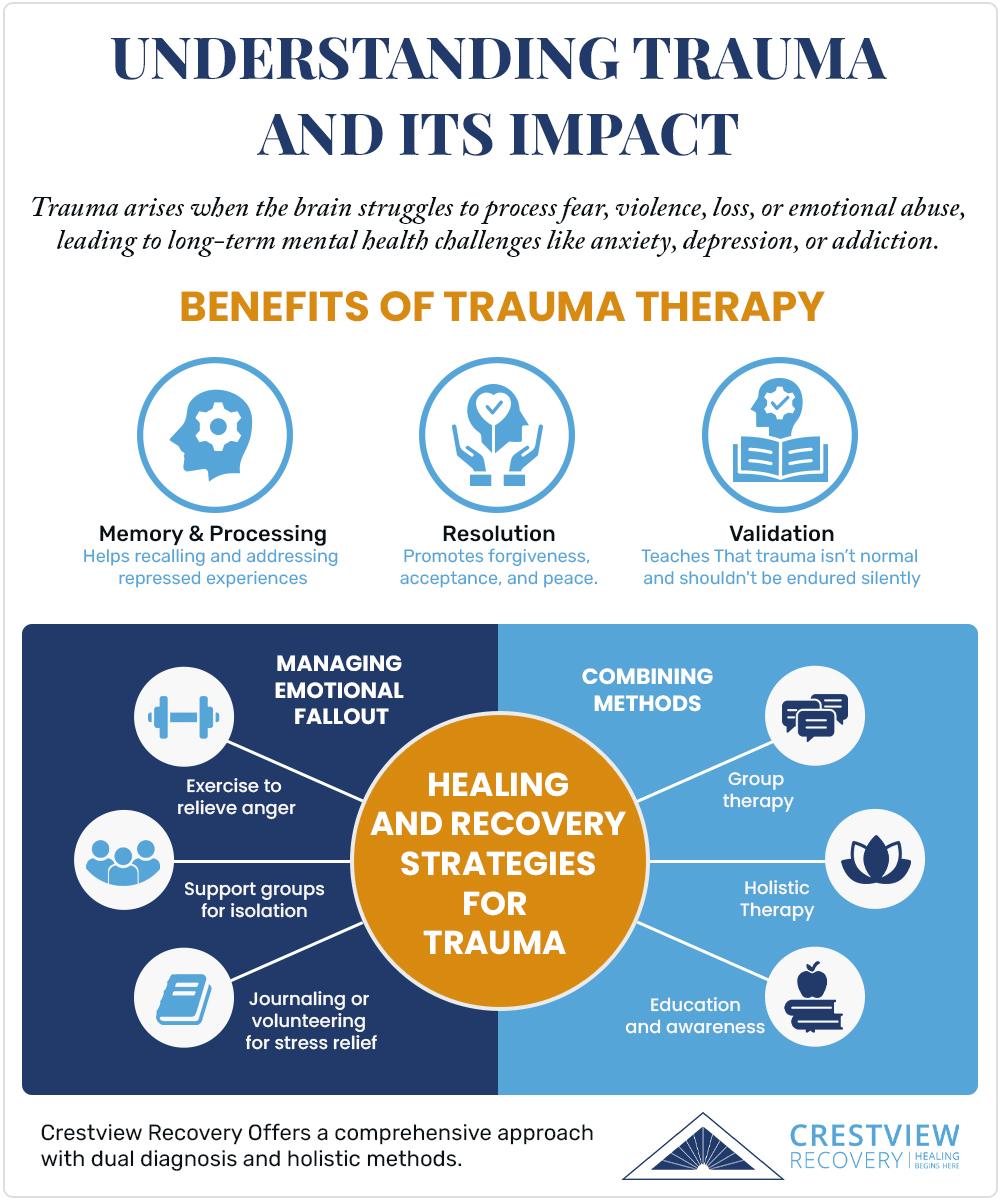
For people looking for therapy that honors neurological variety while attending to genuine suffering-- whether from anxiousness, injury, fatigue, or the advancing weight of lifetime misunderstanding-- neurodivergence-affirming practices provide more than signs and symptom decrease. They supply the possibility of living authentically, managed nerves, and the revolutionary experience of being truly comprehended.

Table of Contents
- – Recognizing Anxiousness Through a Neurodiverge...
- – The Important Significance of Appropriate ADHD...
- – Injury Therapy That Honors Neurodivergent Expe...
- – Somatic Therapy: Healing Via the Body's Wisdom
- – Addressing Fatigue in Neurodivergent Communities
- – What Neurodivergence-Affirming Care Actually M...
- – Locating the Right Restorative Fit
- – The Path Towards Authentic Healing
Latest Posts
EFT Healing for Attachment Trauma
Management Practices Alongside Therapy Sessions
Addressing Co-Occurring PTSD and Disordered Eating
More
Latest Posts
EFT Healing for Attachment Trauma
Management Practices Alongside Therapy Sessions
Addressing Co-Occurring PTSD and Disordered Eating